The Harrison Act of 1914

1914 When America Sowed the Seeds of Drug Prohibition in the form of our prescription system.
Imagine a time when opium was freely traded in corner drugstores, cocaine tonics were for sale like 5hr energies, and any and all medicines were a readily accessible household remedy sold through catalogs. In the early 1900s, America was a garden of Eden , where plants and their potent derivatives were as commonplace as aspirin is today. But beneath this laissez-faire Eden lurked growing want of profit most easily secured through regulation. They sold their path to excess through a campaign of fear that these “vices” were unraveling society. Best example being Refer Madness in 1936. That’s the justification though not the cause…
Enter the Harrison Narcotics Tax Act of 1914, a law that didn’t just regulate drugs but planted the seeds of a century-long war on substances, forever altering our relationship with the natural world’s most powerful flora. This is the story of how a nation turned from embracing to demonizing the very plants it once celebrated, driven by a cast of crusaders, diplomats, and fearmongers who reshaped history and gave the people of this land a NEW DEAL. That’s where this started.
They made it out to seem like by the dawn of the 20th century, the United States was hooked. Opium, morphine, and cocaine were woven into the fabric of daily life. Housewives dosed themselves with laudanum for “nervous ailments,” laborers chewed coca leaves for stamina, and children sipped syrups laced with heroin to soothe teething pains. Patent medicines glorified elixirs with names like “Mrs. Winslow’s Soothing Syrup” promised miracles but delivered addiction. By 1900, an estimated 1 in 300 Americans was addicted to opiates, with women, particularly white middle-class women, bearing the brunt, their dependence fueled by doctors and slick advertising.
Yet this wasn’t just a domestic affair. Across the globe, the opium trade was a geopolitical chess game where each nation was and still is trying to siphon off the others gold supply through that nations demand for drugs and the need to control medicine first to control the people.
American merchants profited from China’s addiction crisis, shipping opium to a nation reeling from British-imposed trade. China’s pleas for reform put the U.S. in a bind: how could a country preaching morality ignore its own complicity? The stage was set for a law that would not only curb domestic use but signal America’s virtue on the world stage.
The Sparks of Reform
The Harrison Act didn’t spring from nowhere it was ignited by a perfect storm of moral panic, international pressure, and racial scapegoating. Here are the roots of its conception:
The 1909 Shanghai Opium Conference, pushed by President Theodore Roosevelt, was America’s chance to flex its moral muscle. China demanded an end to the opium trade, and the U.S., eager for trade concessions and a seat at the global table, agreed to crack down. The 1912 Hague Opium Conference tightened the screws, requiring signatories to regulate narcotics domestically. The Harrison Act was America’s answer, a diplomatic olive branch wrapped in federal policy.
The Progressive Socialist Era was a revolution at a time of reform fever, with temperance advocates and religious groups like the Women’s Christian Temperance Union decrying drugs as tools of the devil. Opium dens and cocaine use were painted as threats to family values, especially when addiction struck “respectable” white women. Sensational headlines screamed of ruined lives, fanning public demand for action by people who had been trying for a very long time to push their ideals as solutions to problems people believed private family matters or personal issues.
Darker motives lurked beneath the surface and racism was used to sell the belief that Cocaine was tied to African Americans in the South, with newspapers like The New York Times in 1914 peddling baseless tales of “cocaine-crazed” Black men attacking white women. In the West, Chinese immigrants were vilified for opium use, their “dens” depicted as cesspools of vice. These racist tropes weren’t just prejudice—they were weapons to rally support for control, casting drugs as a tool to police marginalized communities. This was pushed by unions and unions to be in an effort to secure a minimum wage people must work for to protect white workers from being undercut by immigrants who would work for pennies on the dollar compared to what white people were generally willing to do.
Doctors and pharmacists who were originally poor in America because they were only paid for their advice if not a surgeon who were backed by the American Medical Association, wanted to rein in the Wild West of patent medicines (temperance). The 1906 Pure Food and Drug Act had forced ingredient labeling, but it wasn’t enough. The Harrison Act promised to professionalize medicine, requiring prescriptions and squeezing out quack vendors. Meanwhile, legitimate drugmakers saw a chance to crush shady competitors, consolidating their market share. The winners and losers were picked, the losers were then demonized and used as the original justification.
NOW… The Architects of Prohibition
Behind the Act stood a gallery of driven, flawed, and fascinating figures, each sowing their own seeds of change:
Hamilton Wright, the Zealous Crusader… A physician with a diplomat’s flair, Wright was America’s first Opium Commissioner, a man obsessed with purging drugs from society. He railed against opium as “the most shameful page in Western civilization” at international conferences, his rhetoric blending moral outrage with patriotic fervor. Wright’s lobbying shaped the Act, but his personal demons—alcoholism and scandal that cast a shadow over his legacy.
Francis Burton Harrison, the Political Face… A New York congressman with Progressive ideals, Harrison lent his name to the bill. He saw it as a shield against urban decay, a way to protect the vulnerable from predatory drug peddlers. Less a visionary than a pragmatist, Harrison navigated Congress’s murky waters, brokering compromises to win bipartisan support.
Charles Henry Brent, the Moral Compass…. An Episcopal bishop stationed in the Philippines, Brent witnessed opium’s devastation firsthand. His impassioned speeches at the Shanghai Conference framed drug use as a spiritual failing, galvanizing religious reformers. Brent’s global perspective gave the Act a halo of righteousness.
The Treasury Department The Silent Enforcers
Bureaucrats like Levi Nutt, a pharmacist-turned-regulator, crafted the Act’s tax-based framework, a clever workaround to skirt constitutional limits on federal power. Their vision laid the groundwork for the Federal Bureau of Narcotics, a machine that would soon criminalize addiction itself.
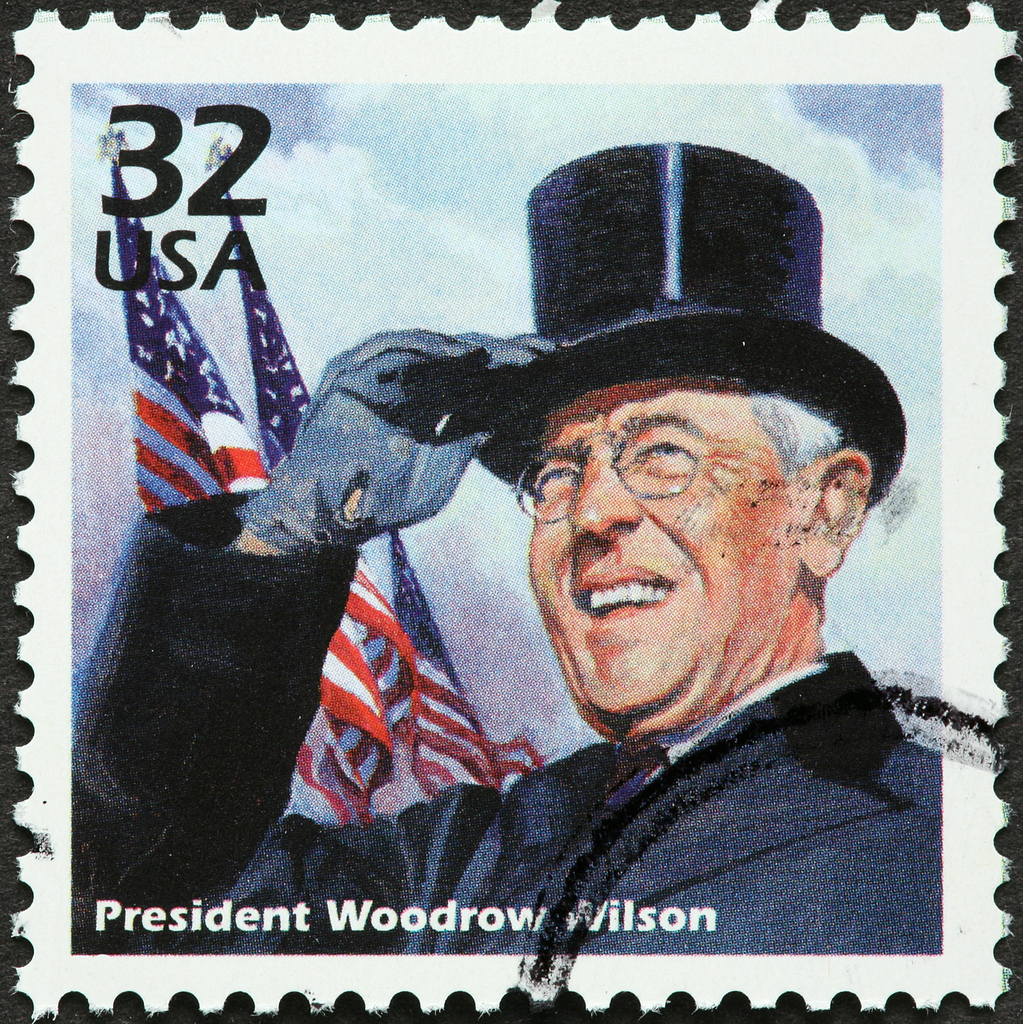
The Act took root on December 17, 1914, and signed by President Woodrow Wilson, the Harrison Narcotics Tax Act was deceptively simple. It required anyone handling opiates or cocaine importers, doctors, pharmacists to register with the Treasury Department, pay a nominal tax, and keep meticulous records. Only physicians could prescribe these drugs, and only for “legitimate medical purposes.” On its face, it was about regulation, not prohibition. But the devil was in the enforcement. Which was progressively applied over generations.
Within years though the Treasury Department twisted the Act into a weapon. Doctors prescribing maintenance doses to addicts were arrested, their compassion branded as conspiracy. By 1919, Supreme Court rulings in cases like Webb v. United States declared addiction a crime, not a disease, slamming the door on medical treatment. Addicts, once patients, became outlaws, driven to black markets where organized crime flourished. The Act’s ripple effects were seismic: it birthed the modern drug war, fueled mass incarceration, and entrenched racial biases that have led us to the chaos, fear, and pain of today.
My Legacy I pray is that of Vice and Virtue.
For SeedsofVice.com, the Harrison Act is more than a dusty law it’s a mirror reflecting society’s conflicted dance with nature’s most potent gifts. The plants at the heart of the Act opium poppies, coca leaves, and cannabis were once revered for their healing powers, much like the pharmaceuticals we explore today. Yet fear, prejudice, and power turned them into pariahs, their users cast as villains. The Act didn’t just regulate; it redefined vice, drawing a line between “medicine” and “menace” that we’re still debating. I want it forever known I Vice am for Virtue along with erasing the line that’s been drawn that I walk on that is the Harrison Act.
As you navigate the world of medicinal plants, consider this: the Harrison Act was a seed planted in 1914, one that grew into a sprawling system of control. Its roots are moralism, racism, progressivism and bureaucracy… for a profit at our expense as individuals and our children’s expense as individuals. By understanding history, we can cultivate a future where plants are judged not by fear, but by their potential to heal and empower individuals to best serve themselves. Not for the sake of others for a profit but their own good.

1 comment so far