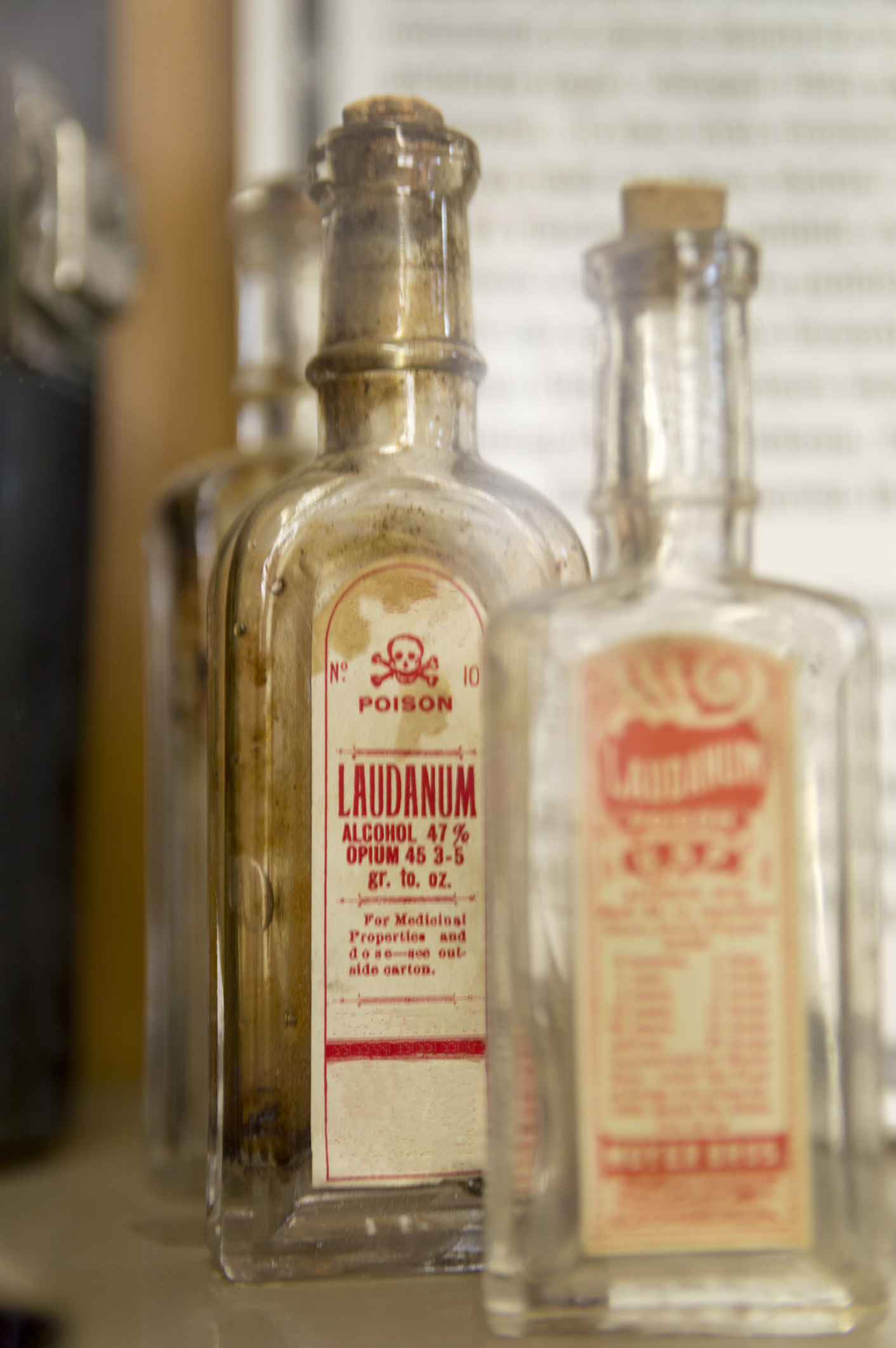
On Laudanum

Let’s talk about the Historical Production of Laudanum in the 17th–19th Centuries. Laudanum, a poppy sap suspension medicine, was produced by dissolving ground up dried poppy sap (that had first been boiled) of Papaver Somniferum in alcohol, typically grain alcohol or wine.
The process began with harvesting opium by scoring unripe poppy pods to collect the sap, which was dried into a resinous gum. This raw sap, rich in alkaloids like morphine and codeine, was then pulverized and soaked in alcohol for days to weeks, allowing the alkaloids to dissolve. The mixture was filtered to remove solid residues, resulting in a potent, reddish-brown liquid. Recipes varied widely; some included additives like saffron, cinnamon, or cloves for flavor or perceived medicinal enhancement, as seen in early formulations like those of Paracelsus in the 16th century. By the 19th century, standardized versions, such as Sydenham’s laudanum, used specific ratios (e.g., 10% opium by weight in alcohol), making it a widely available remedy for pain, insomnia, and ailments like dysentery, though its potency and lack of regulation led to frequent overdoses.
The traditional challenges of producing laudanum…
Producing laudanum historically was an artisanal process, fraught with inconsistencies due to variations in sap quality, alkaloid content, and preparation methods. The morphine content of opium could range from 5–20%, depending on the poppy strain, climate, and harvesting technique, making each batch’s strength unpredictable.
Apothecaries often adjusted alcohol strength or added water to dilute the tincture, but without precise measurements, dosing was hazardous. Some recipes, like those in 18th-century pharmacopoeias, called for prolonged maceration or gentle heating to extract alkaloids, while others used fermentation to enhance solubility. These variations led to laudanum’s reputation as both a miracle cure and a dangerous substance, as noted in historical texts where it was used for everything from teething infants to chronic pain but caused dependency or death when misjudged. The lack of standardization meant that laudanum’s effects varied widely, contributing to its dual role as medicine and societal vice.
Today, laudanum production is rare and tightly regulated due to its high potential for use outside the prohibition system. It’s too easy to make.
Where it is legally produced—primarily for limited medicinal or research purposes—it follows strict pharmaceutical protocols. Modern laudanum is typically a standardized tincture of opium, containing a precise concentration of morphine (e.g., 10 mg/mL) dissolved in ethanol, manufactured under controlled conditions in licensed facilities. The process still involves extracting opium alkaloids, but instead of crude opium, purified morphine or opium powder is used, sourced from legally cultivated poppies under government oversight (e.g., in countries like India or Australia). The alkaloids are dissolved in pharmaceutical-grade alcohol, filtered, and tested for purity and potency using advanced techniques like high-performance liquid chromatography (HPLC). Additives are minimal, and the final product is packaged with exact dosing instructions, a far cry from the variable concoctions of the past. Such production is restricted to jurisdictions with specific medical allowances, and even then, it’s largely replaced by safer analgesics.
Illicit or home production of laudanum, occurs in regions with access to opium poppies, though it’s illegal in most countries due to narcotic regulations. The process would mimic historical methods: harvesting poppy sap, drying it into opium, and dissolving it in high-proof alcohol. However, modern illicit attempts face challenges like inconsistent alkaloid profiles and contamination risks, similar to historical issues but compounded by lack of expertise and sterile conditions. Websites like Seeds of Vice, which advocate for poppy cultivation, suggest growing poppies for legal reasons while trying to change the laws in a way that free you to take care of yourself where others have failed.
I’m not from the government and I am here to help. I prayed the same prayers you all do and when I decided to start answering them for God and giving him credit for everything I’m trying to do it started coming together in a way that can only be attributed to God. Put on his armor. You don’t need it to protect you from Murphy. You need it to protect you from the government. Then use it to make your world and everyone’s around you better.

1 comment so far